2026 PREBIC Working groups
Prebic Working Group - Prediction
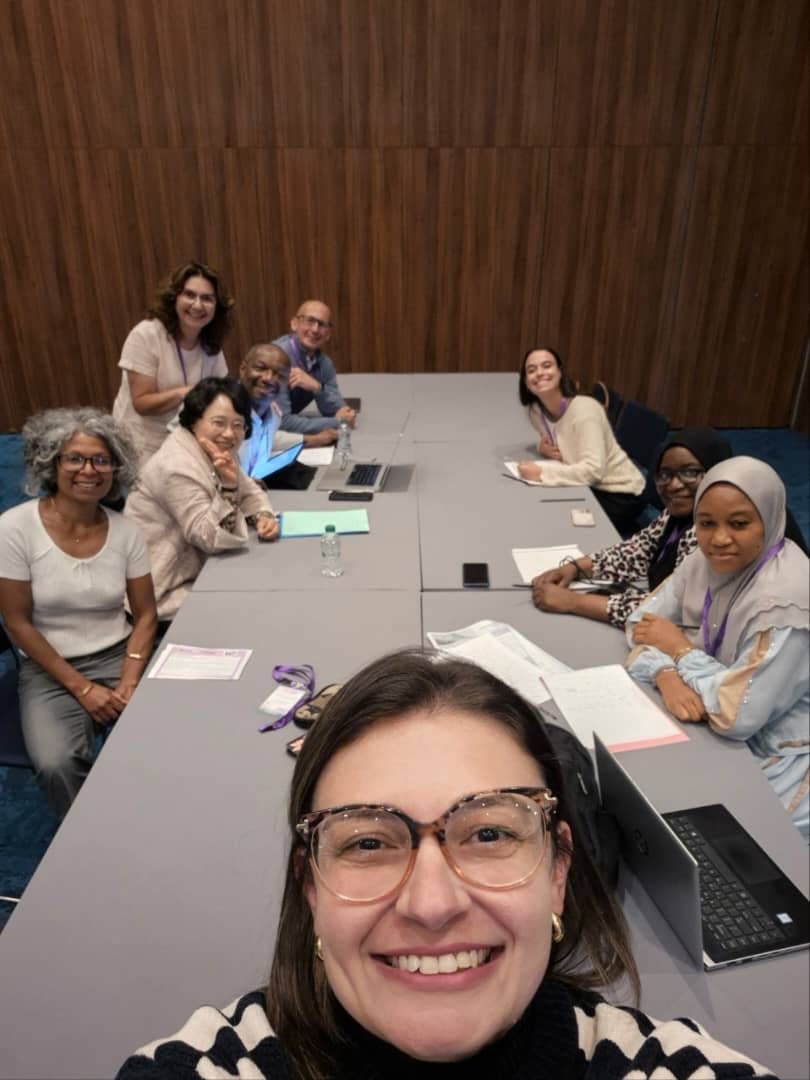
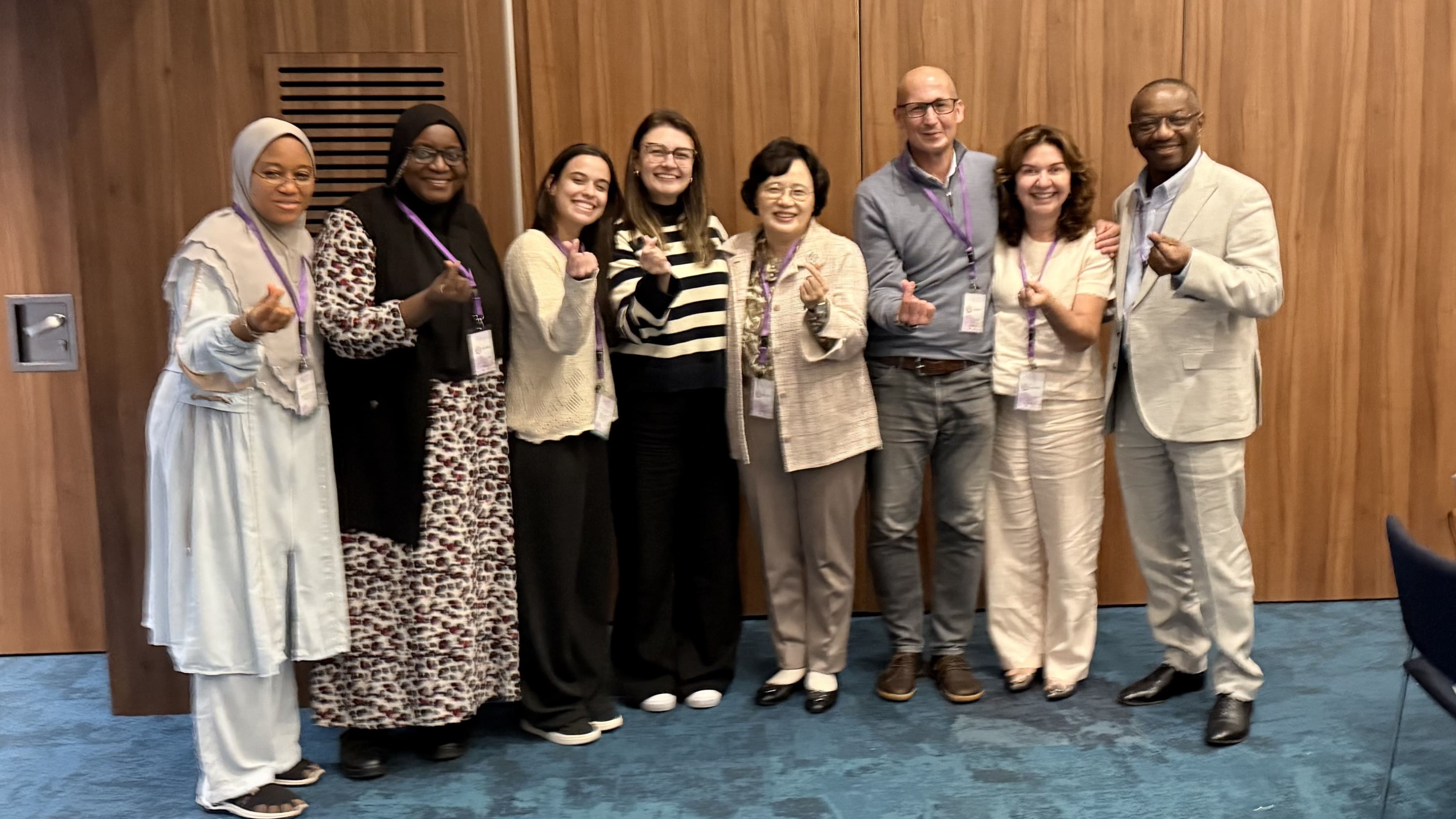
The PREBIC 2026 Committee on Preterm Birth Risk Prediction identified several critical gaps in knowledge, resources, and implementation that hinder progress in reducing preterm birth globally. A major limitation is the continued definition of preterm birth primarily by gestational age, without adequate recognition of distinct biological and clinical phenotypes. The group emphasized the need for phenotype-based classification systems to improve prediction, prevention, and personalized interventions.
Existing biomarkers show limited predictive accuracy, particularly in low-risk populations, and often fail to distinguish symptomatic from asymptomatic women. Most studies have been conducted in high-income settings, with insufficient validation across diverse populations and low- and middle-income countries (LMICs). Delayed antenatal care access, high costs, and limited laboratory infrastructure further restrict implementation in resource-limited regions.
The committee highlighted the need for dynamic longitudinal screening throughout pregnancy, especially during the first and second trimesters, recognizing that risk profiles evolve over time. Future predictive models should integrate clinical, biological, microbiome, environmental, and biomedical engineering data, while incorporating artificial intelligence and machine learning approaches where appropriate.
Priority areas for future work include development of standardized core datasets for preterm birth prediction, harmonized phenotyping strategies, inclusion of LMIC populations in multicenter studies, and validation of affordable home-based predictive tools.
Key concepts and literature areas include preterm birth phenotyping, precision medicine, longitudinal biomarker profiling, microbiome-associated risk prediction, and AI-driven predictive modeling in obstetrics.
Donate to Prebic Global

501 (c) 3 - EIN# 81-4943577
This Donation is Enmarked to:
Prebic Global
PREBIC is a multinational collaborative of clinicians and research scientists.
Make a Donation150 Dorset Street
Unit 240-245 South Burlington, VT
05403, United States